

Leaking urine shortly after using the toilet can be confusing. You might notice a few drops when you stand up, leak when you cough, or suddenly need to urinate again even though your bladder does not feel full.
There is no single explanation for these symptoms. The cause may be related to bladder urgency, pelvic floor function, a urinary tract infection or difficulty emptying the bladder completely.
Your bladder, urinary sphincter, pelvic floor muscles and nervous system work together to control urination. When something interrupts this process, leakage can occur even when the amount of urine in your bladder is relatively small.
Understanding when the leakage happens, whether you have other symptoms and how long it has been occurring can help you and your healthcare professional decide what to do next.
Can You Leak Urine When Your Bladder Is Almost Empty?
Yes. Urine leakage can happen even when your bladder does not feel full.
Your kidneys produce urine, which collects in your bladder until you are ready to urinate. During normal bladder filling, the bladder muscle relaxes while the urinary sphincter and pelvic floor muscles help prevent urine from escaping.
Leakage can occur if the bladder contracts unexpectedly, the structures that keep the urethra closed do not work effectively, or urine remains in the urinary tract after you have finished urinating.
The circumstances surrounding the leak can offer useful clues. Leakage when coughing or sneezing may suggest stress urinary incontinence, while a sudden, difficult-to-control urge followed by leakage may suggest urgency urinary incontinence. These patterns cannot confirm a diagnosis on their own.
Also read: Tired of Frequent Bathroom Trips? Know the Symptoms and Options
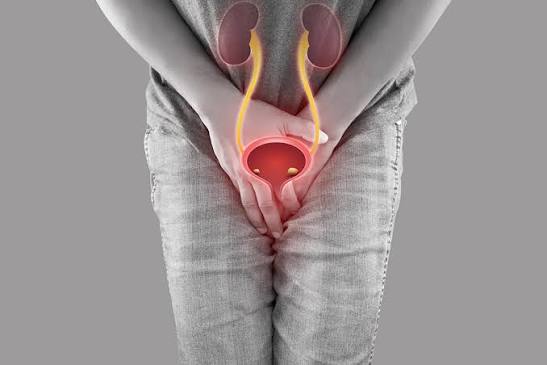
Five Possible Reasons You Leak Urine Without a Full Bladder
An overactive bladder
Sometimes, the urge to pee comes out of nowhere and is hard to ignore. This can happen with an overactive bladder. You may need to use the toilet frequently, wake during the night to urinate or experience leakage before reaching the bathroom.
You can feel the need to pee even when there isn’t much urine in your bladder. This can happen for several reasons, including a urinary tract infection or other health problems.
If these symptoms persist, arrange an assessment rather than assuming you have an overactive bladder. A healthcare professional can help identify the likely cause and discuss suitable management options.
Stress urinary incontinence
Sometimes, a cough or sneeze is all it takes for a little urine to escape. You may notice it during a workout, while laughing or when lifting something heavy. This type of leakage is called stress urinary incontinence.
The amount of leakage varies. Some people notice only a few drops, while others experience more substantial leaks.
Pregnancy, childbirth, changes in pelvic floor function and certain operations can contribute to stress urinary incontinence. Despite its name, this type of leakage is not caused by emotional stress.
If leakage happens repeatedly during everyday activities, a healthcare professional can assess whether pelvic floor muscle training or another treatment may be appropriate.
A urinary tract infection (UTI)
If you have a UTI, you might find yourself rushing to the toilet more often than usual. The urge can come on suddenly, and sometimes you may not make it in time.
Other possible symptoms include burning or pain when urinating, cloudy urine, lower abdominal discomfort and feeling generally unwell. You may notice some of these symptoms, but not others.
If your leakage starts suddenly, particularly alongside pain, burning or changes in your urine, contact your GP or another appropriate healthcare professional. An infection may need specific medical treatment, so do not assume that continence exercises or a bladder-control device will address the cause.
Incomplete bladder emptying
Sometimes, the bladder does not empty completely when you urinate. Symptoms may include repeated toilet visits, a weak urine stream, difficulty starting or a feeling that you still need to go after finishing. Some people also experience frequent dribbling or leakage.
Possible causes include an obstruction, constipation, certain medicines or problems affecting bladder muscle or nerve function. In men, an enlarged prostate can also interfere with bladder emptying.
If you regularly struggle to empty your bladder, arrange a medical assessment. Do not assume that frequent small leaks are simply a sign of a weak pelvic floor.
If you often feel that your bladder hasn’t emptied properly, or you keep experiencing dribbling after using the toilet, speak to your GP. If you suddenly find that you cannot pass urine at all, seek emergency medical care.
Pelvic floor or nerve-related problems
The muscles around your bladder help you stay in control of your urine. When they’re weak or don’t work together properly, you may leak a little when coughing, laughing, exercising or moving.
The nerves that control the bladder also play an important role in storing and releasing urine. Conditions that affect these nerves can sometimes lead to urgency, leakage or difficulty emptying the bladder.
Pelvic floor muscle training can help some people, particularly those with stress or mixed urinary incontinence. However, the right approach depends on the cause of the symptoms. A suitably qualified pelvic health physiotherapist can assess your technique and advise whether supervised exercises are appropriate.
If you notice a few drops of urine when you cough, sneeze or exercise, pelvic floor exercises may help. They can also be useful if you experience more than one type of leakage. NICE advises women with stress or mixed urinary incontinence to follow a supervised exercise programme for at least three months. Your GP or pelvic health physiotherapist can help you work out whether this approach is right for you.
How Can You Tell Which Type of Leakage You Have?
The situations in which leakage occurs can provide clues about its possible cause, although symptoms alone cannot confirm a diagnosis.
- Leaking when coughing, sneezing or exercising: may suggest stress urinary incontinence.
- A sudden urge followed by leakage: may suggest urgency urinary incontinence.
- Frequent dribbling with difficulty emptying your bladder: may indicate a bladder-emptying problem that needs assessment.
- Sudden urinary urgency, burning or pain when urinating: These symptoms may indicate a urinary tract infection or another urinary condition. Seek medical advice if they develop, especially if symptoms persist or worsen.
- A combination of urgency and activity-related leakage may suggest mixed urinary incontinence.
Keeping a bladder diary for at least three days can help you record when you drink, when you urinate, how often leakage occurs and what you were doing at the time. Take this information to your healthcare professional, as it can help guide the assessment and next steps.

What Can You Do to Reduce Urine Leakage?
The best way to manage urine leakage depends on its cause. A few practical steps may help you understand your symptoms while you arrange an assessment.
Review your fluid intake. Drinking too little can make urine more concentrated and may aggravate bladder symptoms. Avoid severely restricting fluids to prevent leaks. Your fluid needs may depend on your health and any advice from your healthcare professional.
Love your tea or coffee? You don’t have to give it up, but having a little less may help with bladder symptoms. Caffeine can make you feel the need to pee more urgently. Some fizzy drinks contain it too. See if reducing your intake makes a difference.
Address constipation. If you’re often straining when you go to the toilet, constipation could be putting extra pressure on your pelvic floor. Fibre-rich foods, suitable fluid intake and regular physical activity may help prevent constipation.
Pelvic floor exercises can help with some types of urine leakage, particularly stress or mixed incontinence in women. If you’re not sure you’re doing them properly, a healthcare professional can show you how.
Avoid repeated toilet visits purely out of habit. Going every few minutes when you do not need to urinate may reinforce frequent toilet visits. If an overactive bladder is diagnosed, a structured bladder-training programme may help. Do not delay urination if you have pain or have been advised not to hold on.
The NHS recommends seeking medical advice about urinary incontinence because assessment can help identify the cause and guide treatment.
Read also: Can Pelvic-Floor Exercises Make Urinary Incontinence Worse?

When Should You Seek Medical Advice?
Arrange a GP appointment if urine leakage is new, persistent, becoming more frequent or affecting your everyday activities. You do not need to wait until the symptoms become severe.
Seen blood in your urine, even just once? Don’t ignore it. Speak to a healthcare professional. If you have a fever, chills, or pain in your back or side as well, get medical advice urgently.
Seek emergency medical assessment if:
- You suddenly cannot pass urine, particularly if you have severe lower abdominal pain.
- You develop new bladder or bowel control problems alongside severe back pain.
- You experience numbness around your genitals or bottom, or new leg weakness, together with new bladder-control problems.
These symptoms can indicate conditions that require urgent assessment.
Do not assume unexplained leakage is simply due to ageing or weak pelvic floor muscles. A medical assessment can help identify infections, problems with bladder emptying and other conditions that may need specific treatment.
What Treatments May Help With Urinary Leakage?
Treatment for urinary leakage depends on the type of incontinence, its underlying cause and your medical history.
Depending on the assessment, options may include pelvic floor muscle training, bladder training, changes to fluid or caffeine intake, prescribed medicines or specialist treatment. Some people may need further investigation or treatment for an infection, an obstruction or difficulty emptying the bladder.
Incontinence Direct provides information about continence-related treatment options, including its EMS chair service. However, suitability depends on the individual and the reason for the leakage. Newly developed, unexplained or persistent symptoms should be assessed by an appropriate healthcare professional before you pursue a treatment intended to improve bladder control.
If you’re considering an EMS chair for bladder leaks, don’t rush into booking a session. First, find out whether it could help with the type of leakage you’re experiencing.
FAQs
Q: Can an overactive bladder cause leakage when there is very little urine?
Yes. You may feel a sudden, strong urge to urinate and leak before reaching the toilet, even if your bladder isn’t very full. These symptoms can have different causes, so it’s worth speaking to a healthcare professional.
Q: Is bladder leakage just part of getting older?
No. Although leakage is more common as we age, it isn’t something you simply have to accept. A healthcare professional can help identify what’s causing it and discuss ways to manage it.
Q: Why do I leak a few drops after going to the toilet?
A few drops after urination may occur because urine remains in the urethra, or because the bladder has not emptied. If you have repeated leakage, a weak stream, or difficulty emptying, discuss it with your GP.
Q: Will pelvic floor exercises stop urine leakage?
Pelvic floor exercises can help reduce urine leaks, especially if they happen when you cough, sneeze or exercise. They may not work the same way for everyone, so it’s worth speaking to a healthcare professional about whether they’re right for you.
Q: Can drinking too little water make bladder leakage worse?
It can make symptoms worse for some people. When you don’t drink enough, your urine becomes more concentrated, which may increase bladder irritation and urgency. Cutting down on fluids too much isn’t a good way to manage leakage. If your healthcare professional has advised you to restrict your fluid intake for a medical reason, continue to follow their guidance on how much you should drink each day.
Q: What should I do if urine leakage begins suddenly?
Don’t ignore a sudden change in bladder control. If you notice pain, discomfort when urinating, a fever, blood in your urine or difficulty urinating, seek medical advice. Being unable to urinate, or having bladder changes with serious neurological symptoms, requires urgent medical attention.
References & Further Reading
1. NHS — Urinary incontinence: https://www.nhs.uk/conditions/urinary-incontinence/causes/ Supports the explanations of stress incontinence, overactive bladder, overflow incontinence, pelvic floor problems and potential medication-related causes.
2. NHS — Urinary incontinence: https://www.nhs.uk/conditions/urinary-incontinence/ Supports guidance on diagnosis, bladder diaries, pelvic floor exercises, bladder training and available treatment options.
3. NICE — Urinary incontinence and pelvic organ prolapse in women: management (NG123): https://www.nice.org.uk/guidance/ng123/chapter/recommendations Supports clinical assessment, urine testing, bladder diaries and appropriate management of urinary incontinence.
4. NICE — Urinary incontinence in women: quality standard (QS77): https://www.nice.org.uk/guidance/qs77 Supports the use of bladder diaries and lifestyle advice during initial assessment.
5. NHS — Blood in urine: https://www.nhs.uk/symptoms/blood-in-urine/ Supports the advice to seek urgent medical assessment if blood appears in the urine
The Next Step
If you leak urine even when your bladder does not feel full, make a note of when it happens and whether you experience other symptoms. A bladder diary can help you explain the pattern to your GP.
Getting the cause assessed is a useful first step towards finding an appropriate way to manage the leakage.
For further information, Please Call Us on 03300 100 026